
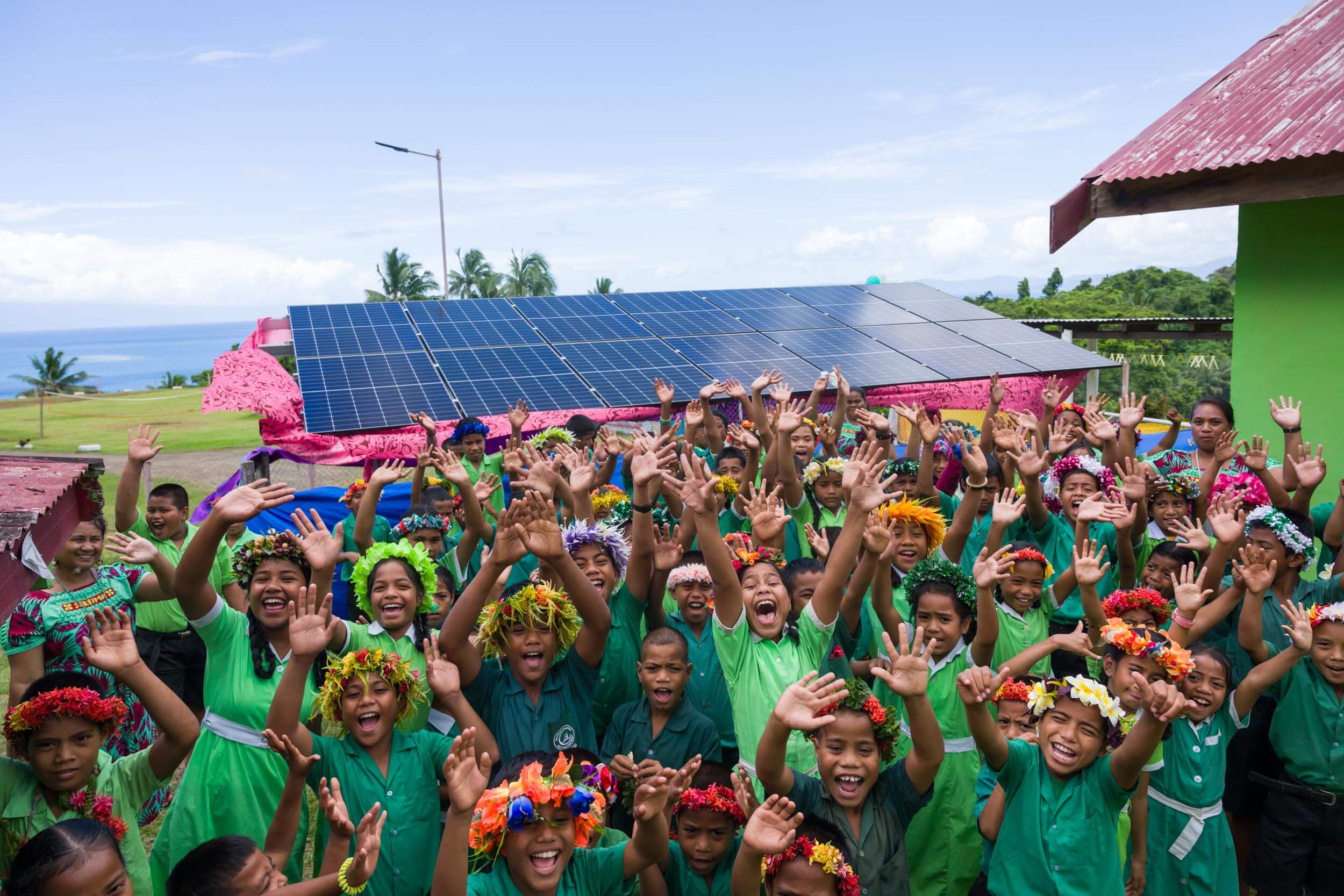
The Pacific region is home to a myriad of development projects aimed at improving the lives of its inhabitants, enhancing economic opportunities, and preserving cultural heritage. Various non-governmental organizations and international bodies are actively involved in these initiatives, driving positive change across the islands. One notable resource in this arena is development projects pacific pacific ngo projects, which highlights various initiatives that make a real difference in local communities.
Understanding the Development Landscape in the Pacific
The Pacific Islands, despite their stunning natural beauty, face significant challenges due to their geographic isolation, vulnerability to climate change, and limited economic resources. Development projects in this region aim to address these challenges through targeted interventions focusing on health, education, infrastructure, and environmental sustainability.
Major Areas of Focus
1. Education and Skill Development
Education is a cornerstone of development in the Pacific. Numerous projects are aimed at improving access to quality education, providing training for teachers, and creating educational materials that are culturally relevant. Programs often emphasize STEM (Science, Technology, Engineering, and Mathematics) education to equip young people with the skills needed for future employment opportunities.
2. Healthcare Innovations
The health sector in the Pacific often struggles with limited resources and access. Development projects focus on enhancing healthcare delivery through community health programs, mobile clinics, and telemedicine. Initiatives like vaccination drives and health education are essential to combat diseases and promote overall well-being among island communities.
3. Sustainable Agriculture and Food Security
Food security is critical in the Pacific Islands, where imports can be unreliable and expensive. Development projects often promote sustainable agricultural practices by providing training, resources, and support to local farmers. Community gardens and cooperatives not only improve food supply but also enhance nutritional standards and economic resilience.
4. Renewable Energy Projects
The reliance on imported fossil fuels exposes Pacific nations to economic vulnerabilities and environmental risks. Thus, solar and wind energy projects are gaining momentum, offering communities the chance to harness local resources for sustainable energy. These initiatives can lead to energy independence and lower costs for residents.
5. Climate Change Adaptation
With climate change posing an existential threat to many Pacific Islands, development projects focused on climate adaptation have become more critical. These include constructing sea walls, restoring mangroves, and developing early warning systems for natural disasters. By investing in resilience, communities can better withstand the effects of climate-related events.
Partnerships and Collaboration
Successful development projects in the Pacific often rely on collaboration between local governments, NGOs, international agencies, and community members. Engaging local populations ensures that initiatives are culturally sensitive and align with community needs. Furthermore, fostering partnerships enhances resource sharing and knowledge transfer, leading to more sustainable outcomes.
Challenges to Development Projects
Despite the positive impact of many development projects, several challenges persist. Geographic isolation and limited infrastructure can hinder project implementation. Funding is another major obstacle; many organizations depend on external donors to sustain their initiatives. Political instability in certain regions can also disrupt development efforts, making consistent progress difficult.
Looking Ahead
As we look to the future, it is essential for stakeholders in the Pacific to continue advocating for funding and support for development projects. Emphasizing the importance of local knowledge and participation will be pivotal in creating effective solutions. Furthermore, addressing the multifaceted impacts of climate change will require innovative thinking and collaborative efforts.
Conclusion
Development projects in the Pacific region represent a beacon of hope for many communities faced with numerous challenges. By focusing on education, healthcare, sustainable practices, and climate resilience, these initiatives are paving the way for a brighter future. As the region continues to evolve, ongoing commitment, collaboration, and innovation will be essential in transforming the lives of its residents for generations to come.